Lima, the capital of Peru, was founded on January 18, 1535, by the conquistador Francisco Pizarro, who named it the “City of Kings” in honor of the Epiphany (Three Kings’ Day) on January 6. Its strategic location near the sea and the Rímac River valley quickly allowed it to become the political, commercial, and cultural center of the Viceroyalty of Peru.
During colonial times, Lima was an elegant and powerful city. The National University of San Marcos (1551), the oldest in the Americas, was founded here. Its streets were filled with baroque churches, colonial mansions, and plazas that still fascinate visitors today.
After Peru’s independence in 1821, Lima became the heart of the Republic. Throughout the 20th and 21st centuries, the city grew exponentially, transforming into a vibrant megacity, blending tradition and innovation.
Today, Lima is a modern metropolis with more than 10 million inhabitants, famous for its world-renowned cuisine, its living history in the Historic Center (a UNESCO World Heritage Site), and landscapes that combine the Pacific Ocean with ancient architecture.
Lima
El Olivar of San Isidro – A Forest with a Viceroyal Soul
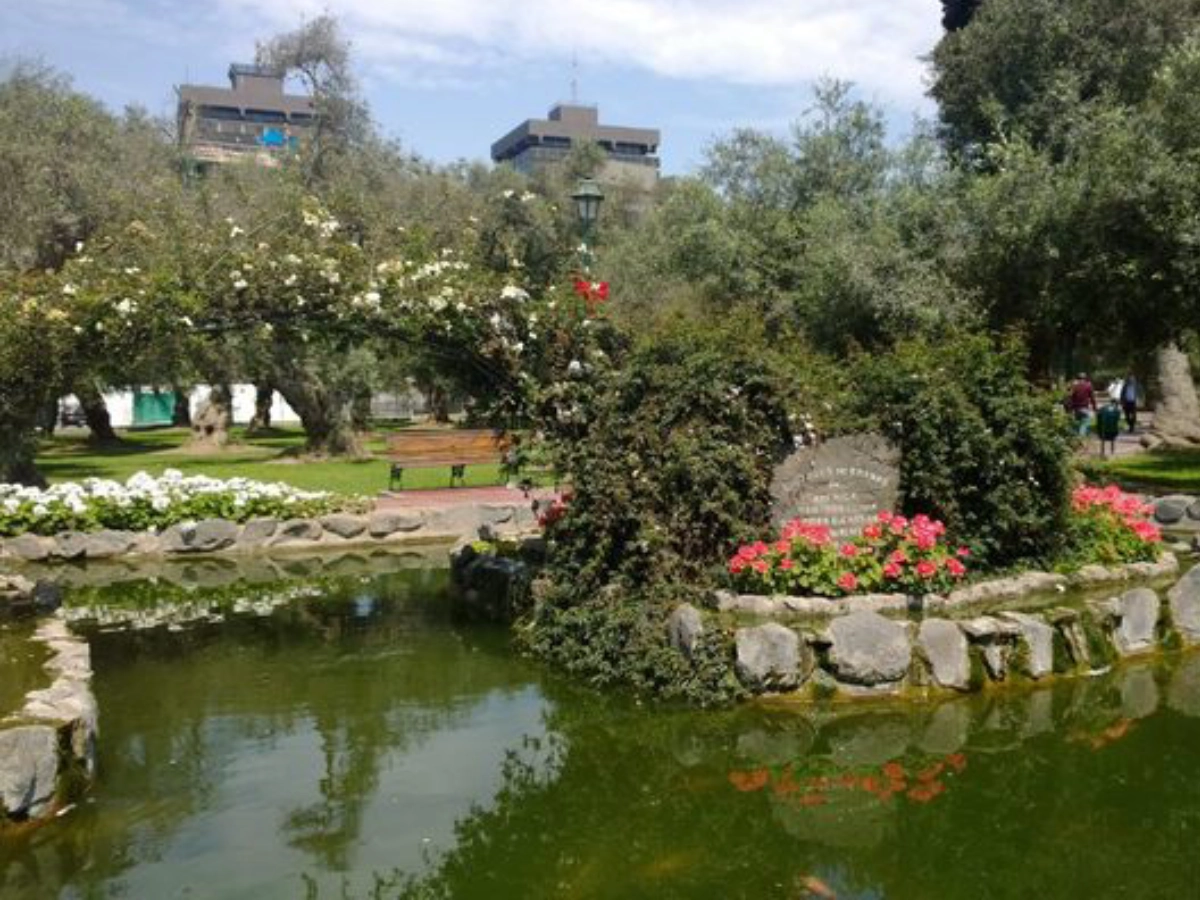
In the heart of the modern district of San Isidro lies a magical and historic corner: El Olivar Park, a place that breathes both nature and history.
It all began in 1560 when the notable Antonio de Rivera, a Spanish resident of the viceroyalty, brought olive trees from Andalusia, Spain, and planted them here. Of the few that survived the journey, one thrived… and became the father of over 1,500 olive trees still standing today—many over 400 years old.
During colonial times, this olive grove was considered an agricultural jewel. In the 20th century, it became a protected area, and in 1959, it was declared a National Monument. Today, it is one of Lima’s most emblematic parks, where history, art, and nature blend in a unique experience.
Strolling through El Olivar is like walking through an enchanted forest in the middle of the city. Its shaded paths are lined with colonial wells, ponds with birds, and an atmosphere that invites peace, contemplation… and connection with Peru’s living history.
How to get to El Olivar Park: From Avenida Arequipa, head east along Pallardeli, where you’ll reach the center of the park.
Larco Museum – The Secret Treasure of Pre-Columbian History
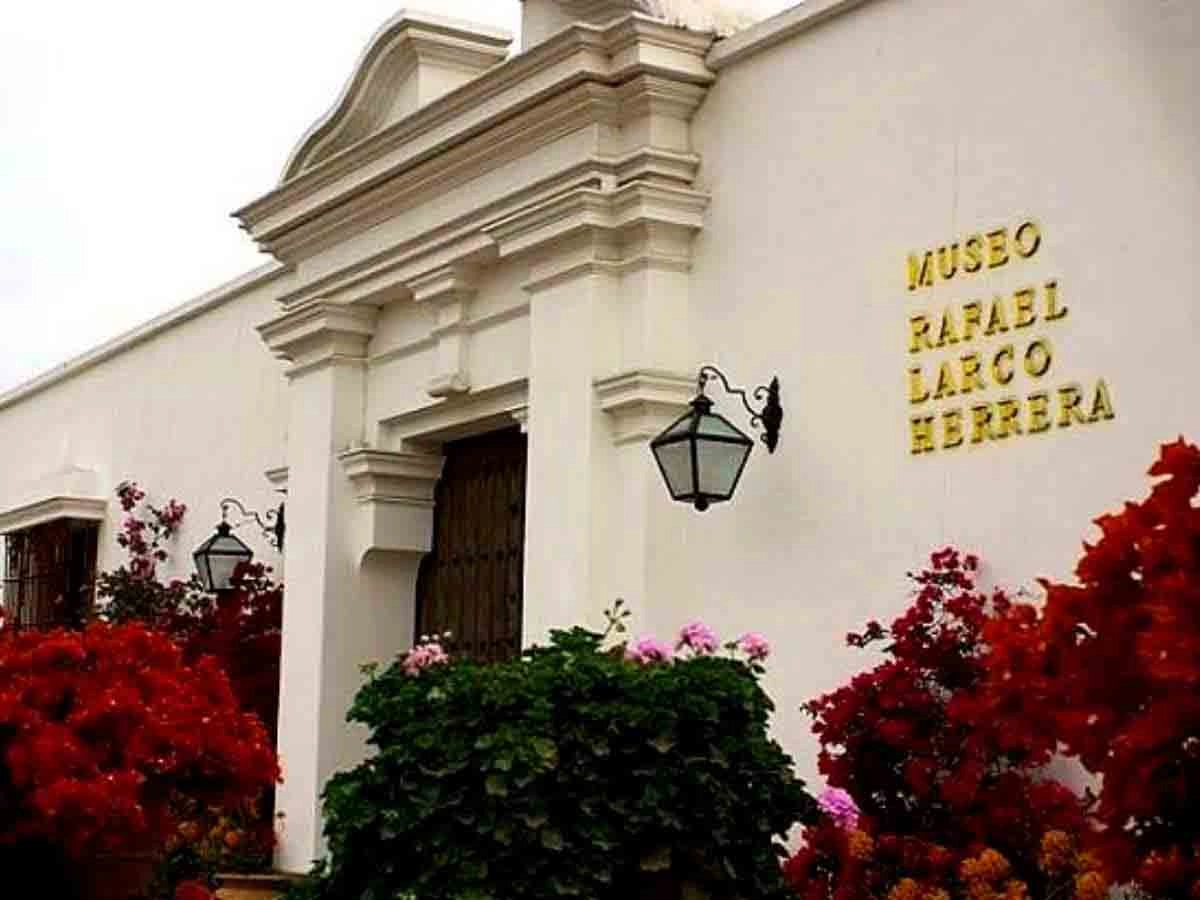
Housed in a beautiful 18th-century viceregal mansion, surrounded by blooming gardens and bougainvillea-covered walls, lies one of the most fascinating museums in Peru and the world: the Larco Museum.
Founded in 1926 by passionate collector Rafael Larco Hoyle, the museum was born out of a desire to preserve, understand, and share the ancient legacy of Pre-Columbian civilizations. Larco aimed to create more than just a museum—he built a window into Peru’s ancestral soul.
The museum houses an impressive collection of over 45,000 artifacts, including:
Moche ceramics with realistic faces and everyday scenes
Jewelry, textiles, and gold and silver objects from cultures like the Chimú, Moche, Nazca, and Inca
Its famous and provocative gallery of erotic Pre-Columbian art, unique in the world
But what truly captivates visitors is the immersive experience: you can enter the museum’s storerooms, where thousands of meticulously organized artifacts are displayed. It’s like walking through a living archive of history.
Punta Negra – Living History Between Waves and Tradition
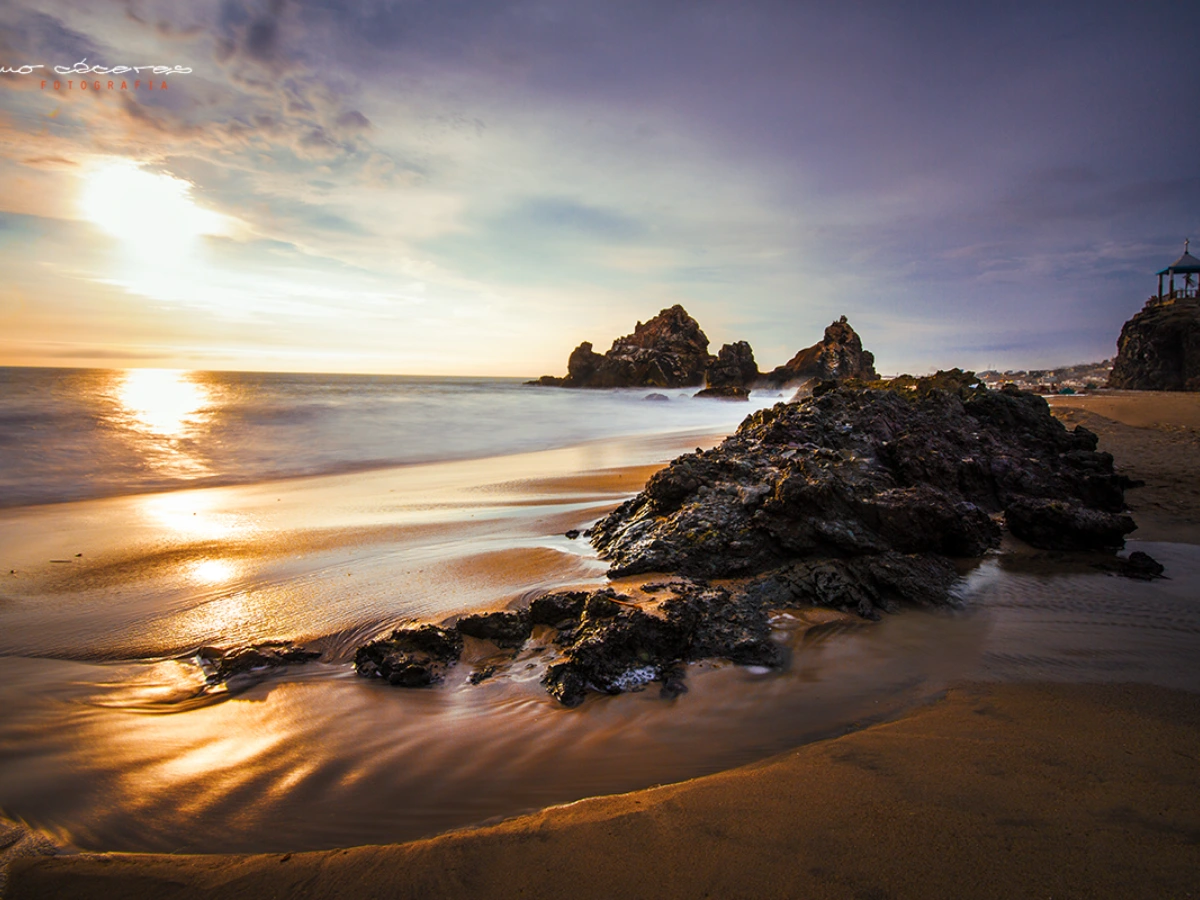
Located 50 kilometers south of Lima, Punta Negra is a coastal district that evolved from a peaceful fishing refuge into one of the most exclusive and vibrant beach resorts on the Peruvian coast.
Its history dates back to pre-Columbian times, when cultures like the Ychsma inhabited the area. Later, during the colonial and republican eras, the region was known for its generous sea and impressive landscapes, attracting Lima’s residents seeking rest and sea breezes.
In 1954, Punta Negra was officially recognized as a district. Since then, it has seen steady development, combining traditional beach houses, private clubs, residential zones, and a bohemian surfer vibe that sets it apart.
Known for beaches like El Puerto, Punta Rocas, and Señoritas, the area is not only famous for sun and surf but also for its festive energy—especially in summer, when it becomes a hotspot for families, youth, and travelers in search of relaxation, the ocean, and good vibes.
Punta Rocas also hosted major international surfing competitions, including the Lima 2019 Pan American Games, solidifying Punta Negra as an icon of beach culture and sport in Peru.
Nor Yauyos-Cochas – Where Nature and History Tell the Same Legend
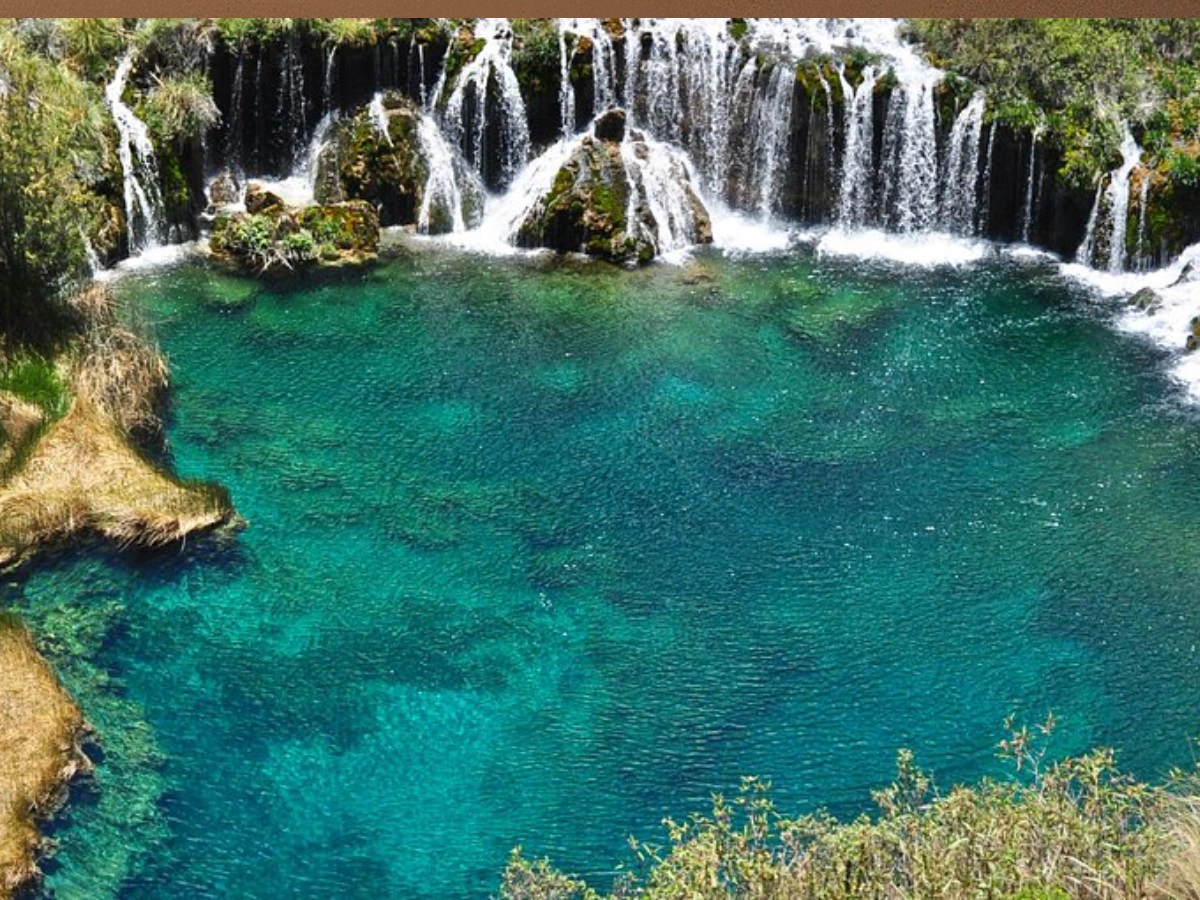
Located between the regions of Lima and Junín, the Nor Yauyos-Cochas Regional Conservation Area is much more than a stunning landscape—it’s a sacred land where history, biodiversity, and Andean traditions intertwine like the crystal-clear waters of its rivers.
This natural paradise was declared a Regional Conservation Area in 2001 to protect its unique ecosystems, glacial lakes, and queñual forests. These high-Andean forests, formed by trees of the Polylepis genus, are known for their reddish, papery bark and their ability to thrive at altitudes between 3,500 and 5,000 meters above sea level.
Magical and often fog-covered, these forests look like scenes from a fairytale, with twisted branches and tangled roots that create mystical and mysterious landscapes.
The area also protects endemic wildlife and the headwaters of the Cañete River, along with its vast cultural and historical heritage.
Since ancient times, it has been inhabited by pre-Inca cultures like the Yauyos, known for resisting Inca rule and preserving unique linguistic structures, possibly related to the Puquina language. Later, the Incas incorporated the area into their network of roads and agricultural terraces, many of which are still visible.
The Nor Yauyos-Cochas landscape is also home to high Andean communities that continue to preserve their customs, weaving, dances, and sustainable ways of life. Traveling through this region feels like stepping back in time and experiencing history firsthand.
Miraflores Malecón – History Among Cliffs and Sighs
The Malecón of Miraflores is not just a coastal route—it’s a walkway suspended over the Pacific Ocean, where sea breeze, urban art, romance, and Lima’s history come together.
Its story began in the late 19th century when Miraflores became an elite residential district, known for its gardens, mansions, and proximity to the sea. But it was during the 20th century, with urban expansion and tourism growth, that the malecón became what it is today: a symbol of modern, green, and vibrant Lima.
Built along the dramatic cliffs of the Costa Verde, the malecón connects various parks:
Parque del Amor (Love Park, inaugurated in 1993, with the iconic sculpture The Kiss),
Raimondi Park,
María Reiche Park,
and many more, each paying tribute to Peruvian culture, science, or art.
Long before the Incas and even before the great Mesoamerican cultures, an advanced and peaceful civilization flourished on the Peruvian coast: Caral, the oldest sacred city in the Americas, over 5,000 years old.
Located in the Supe River valley, just a few hours north of Lima, Caral was a planned metropolis, featuring monumental pyramids, ceremonial plazas, irrigation systems, houses, and even musical instruments made from animal and human bones.
Officially discovered in 1994 by archaeologist Ruth Shady, Caral changed the continent’s history, proving that original civilizations in the Americas arose in parallel with Egypt, Mesopotamia, China, and India.
What’s most surprising is that Caral was a culture without weapons or wars. Its development was based on trade, science, spirituality, and advanced social organization. It was a society that embraced peace, sustainability, and knowledge.
Huaca Pucllana – The Ancient Sanctuary in the Heart of Miraflores
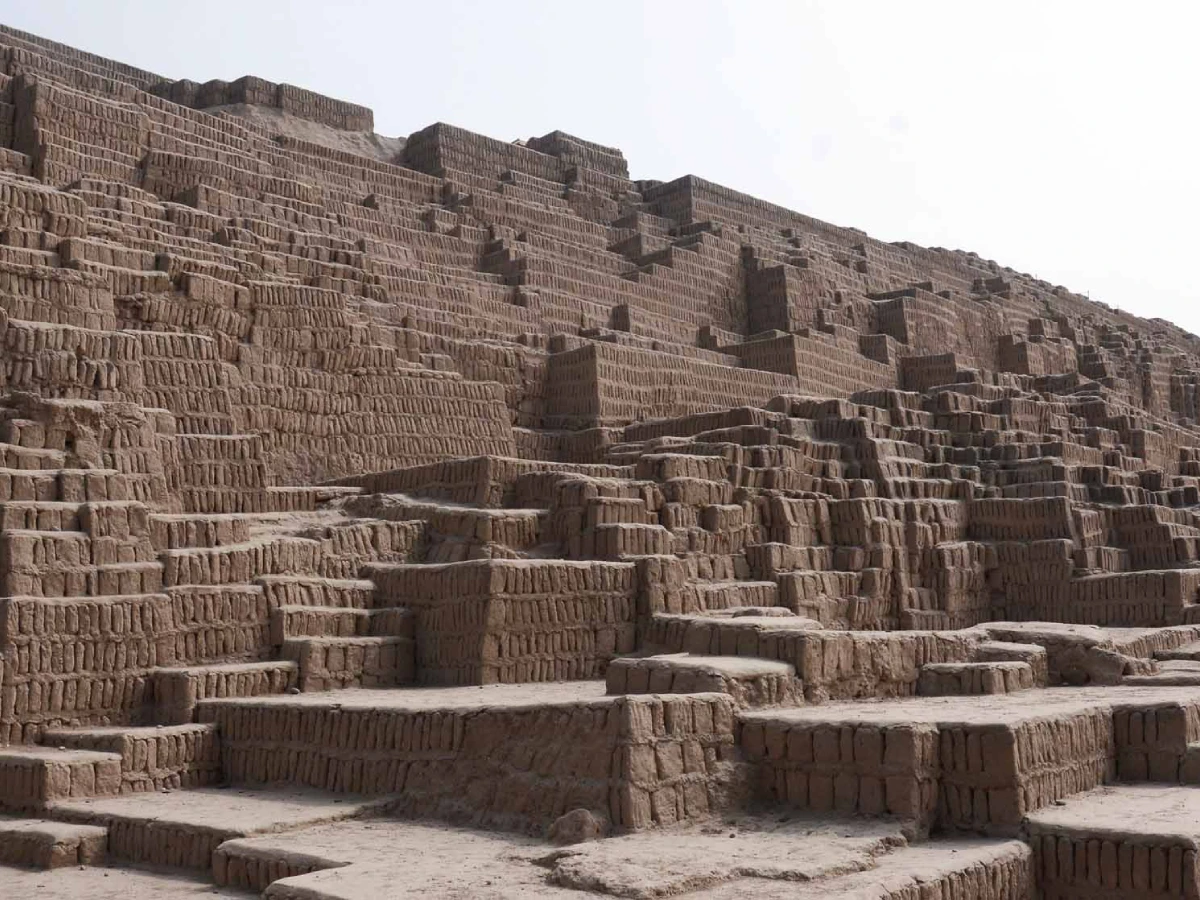
Imagine walking through a modern city and suddenly coming upon a massive adobe pyramid—silent and imposing—a reminder that Lima’s roots run deeper than they appear. That’s Huaca Pucllana, a true archaeological treasure in the Miraflores district.
Built around 200 A.D. by the Lima culture, this huaca was an important ceremonial and administrative center of the Rímac valley. Its design as a truncated pyramid, with overlapping platforms and adobe bricks placed “like books on a shelf” (a technique known as adobitos), makes it unique.
The site was used by various cultures over time—Lima, Wari, Ichma, and even the Incas—showing its millennia-long importance. For centuries, it lay buried under layers of earth until its rediscovery and restoration in the late 20th century.
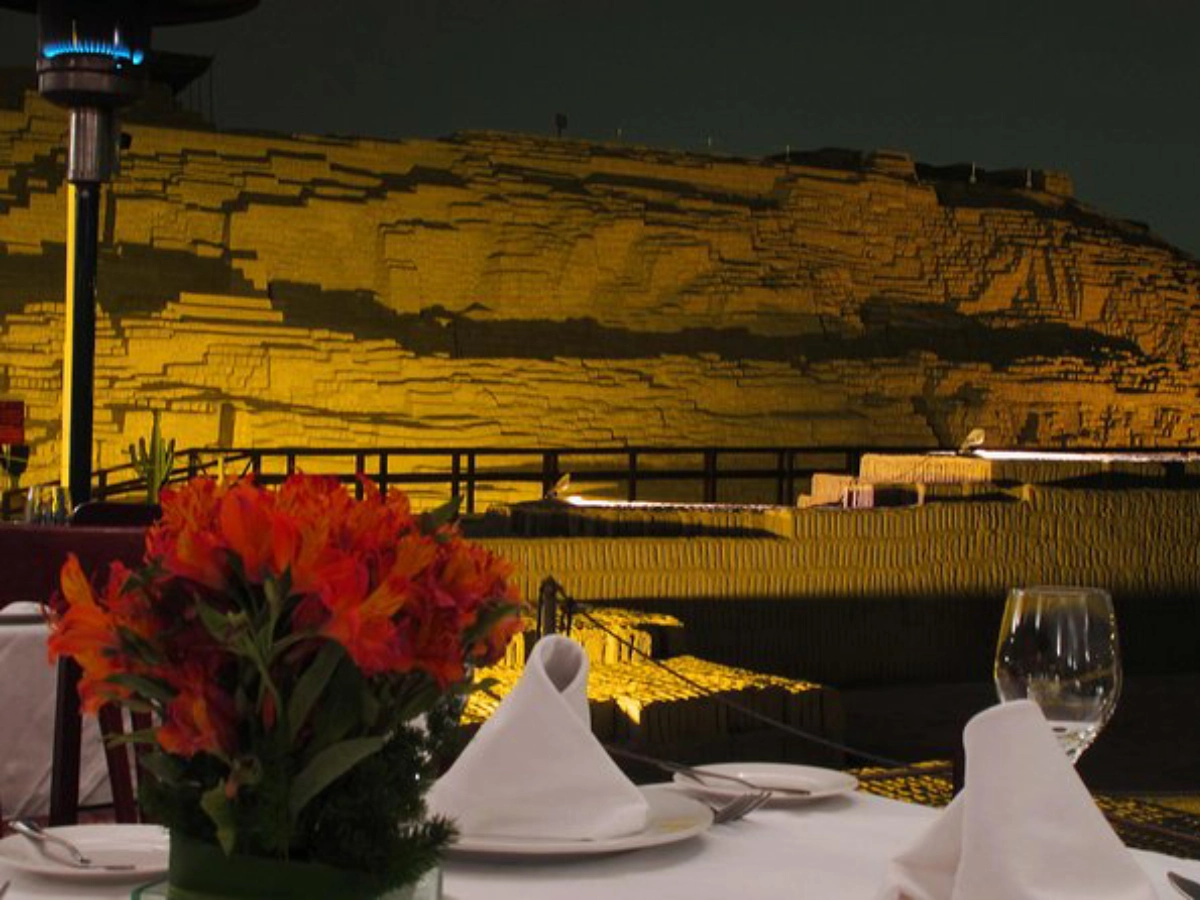
Today, Huaca Pucllana is one of the few places in the world where you can dine next to an ancient pyramid, thanks to its elegant restaurant with direct views of the site. It also offers guided tours, a site museum, and educational activities for all ages.
Palomino Islands – Lima’s Wild and Secret Side
Just 40 minutes by boat from Callao, the mysterious Palomino Islands rise from the Pacific Ocean—rocky islets full of history, marine life, and pure, captivating energy.
For centuries, these islands were known only to fishermen and sailors, but their importance goes far beyond the surface. In colonial times, they were guarded by corsairs and pirates, as Callao was one of the most coveted ports on the Pacific. Legends even speak of hidden treasures and shipwrecks near these waters.
Today, the Palomino Islands are part of the National Reserve of Guano Islands, Islets, and Capes due to their ecological richness and vital role in marine ecosystem balance.
But what makes them famous is the colony of over 8,000 sea lions—one of the largest in Peru. Here, visitors don’t just watch them… they can also swim alongside them in their natural habitat, an unforgettable experience that awakens deep emotions like joy, freedom, and connection with nature.
The Palomino Islands Tour offers a 2.5-hour journey at sea, where you’ll see sea lions, penguins, and over 50 species of birds.
What an incredible day!
I had no idea Lima had so much hidden history and beauty. Learning all this in just one day blew my mind. Grateful for the experience!